
The first thing nobody tells you is how long the day is. A 9 p.m. kickoff at a World Cup is a 14-hour event by the time you arrive at the fan zone, queue through three security rings, find your seat, watch 90-plus minutes of football, and shuffle back through a crowd of 80,000 toward a single rail platform.
What it's actually like to attend a World Cup match sits somewhere between a music festival, an international airport, and a religious pilgrimage.
It is louder than you expect, slower than you expect, and for the moment a goal goes in for the team you came to see, more vivid than almost any other thing you will do in your life.
With the 2026 tournament opening on June 11 across 16 host cities, this is the honest version of what to plan for. Start with the Ticombo World Cup 2026 hub to map fixtures, tickets, and host-city detail.
The Hours Before Kickoff
Matchday starts six hours before kickoff. Not because you need to leave that early, but because the city around you tilts.
Bars fill at 2 p.m. for an 8 p.m. kickoff. Subway trains in supporters' colours start running at half capacity from late afternoon. The fan zone — official FIFA Fan Festival or otherwise — is where most of the crowd absorbs the build-up.
Queues for screens, food, and toilets all balloon inside the last 90 minutes before kickoff.
The walk to the stadium is the part returning fans remember most. At Estadio Azteca it is the climb up Calzada de Tlalpan with a crowd in green moving as one. At BMO Field it is the streetcar pulling in along the lake. At MetLife it is the NJ Transit train spilling out onto the platform with one direction to walk.
Every host venue has its own version. The point of arriving three hours early is not only security. It is to be inside the version of the city that only exists for one day.
Build-Up Checklist
The Match Itself
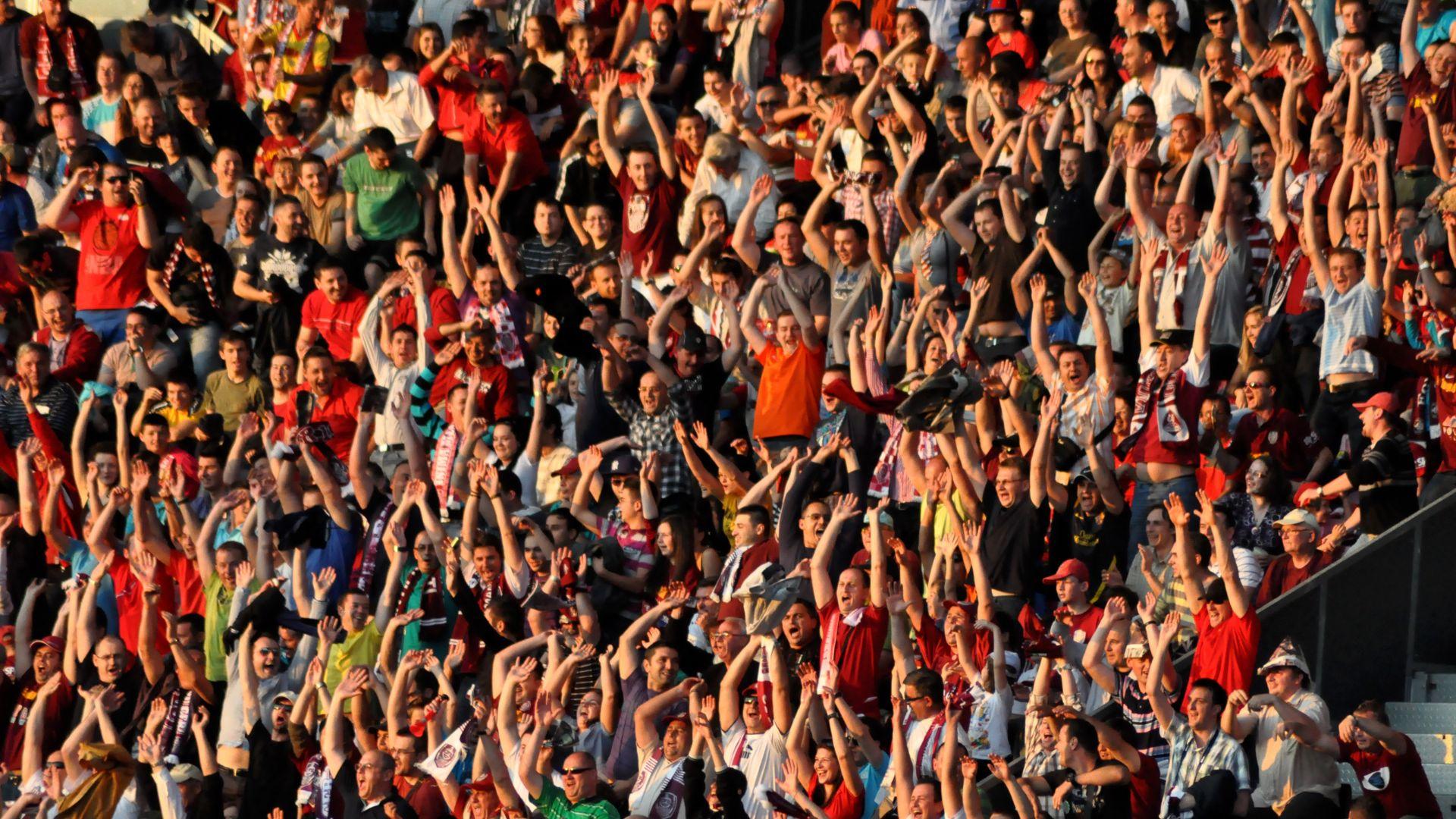
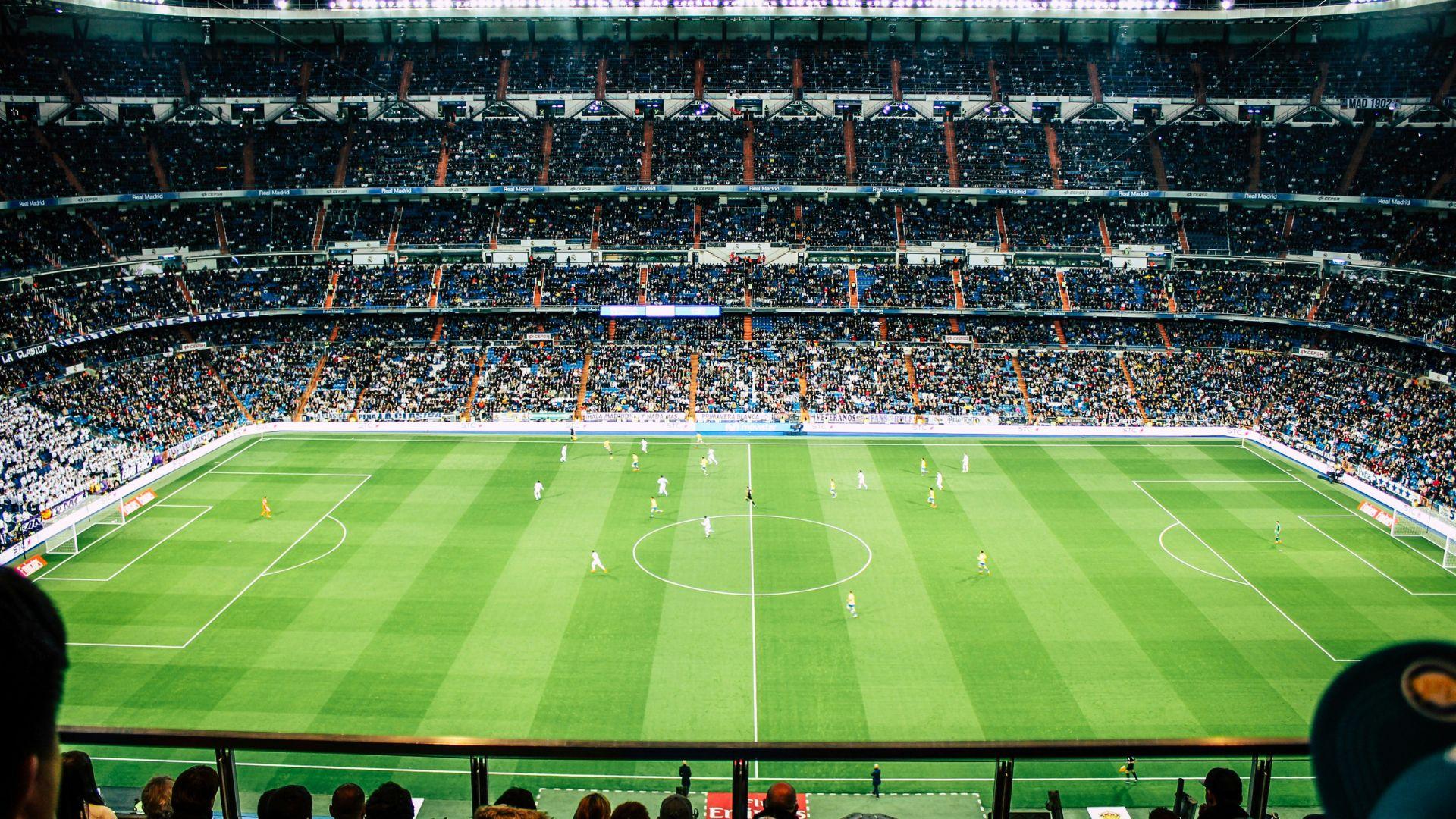
The bowl is louder than television prepares you for. World Cup crowds are mixed in a way club football is not: neutrals in the upper tiers, hardcore travelling support clustered behind one goal, dignitaries and hospitality on the halfway line.
The first 15 minutes are usually the loudest sustained noise of the day, regardless of the scoreline. The opening anthem is the moment most travelling fans cry without expecting to.
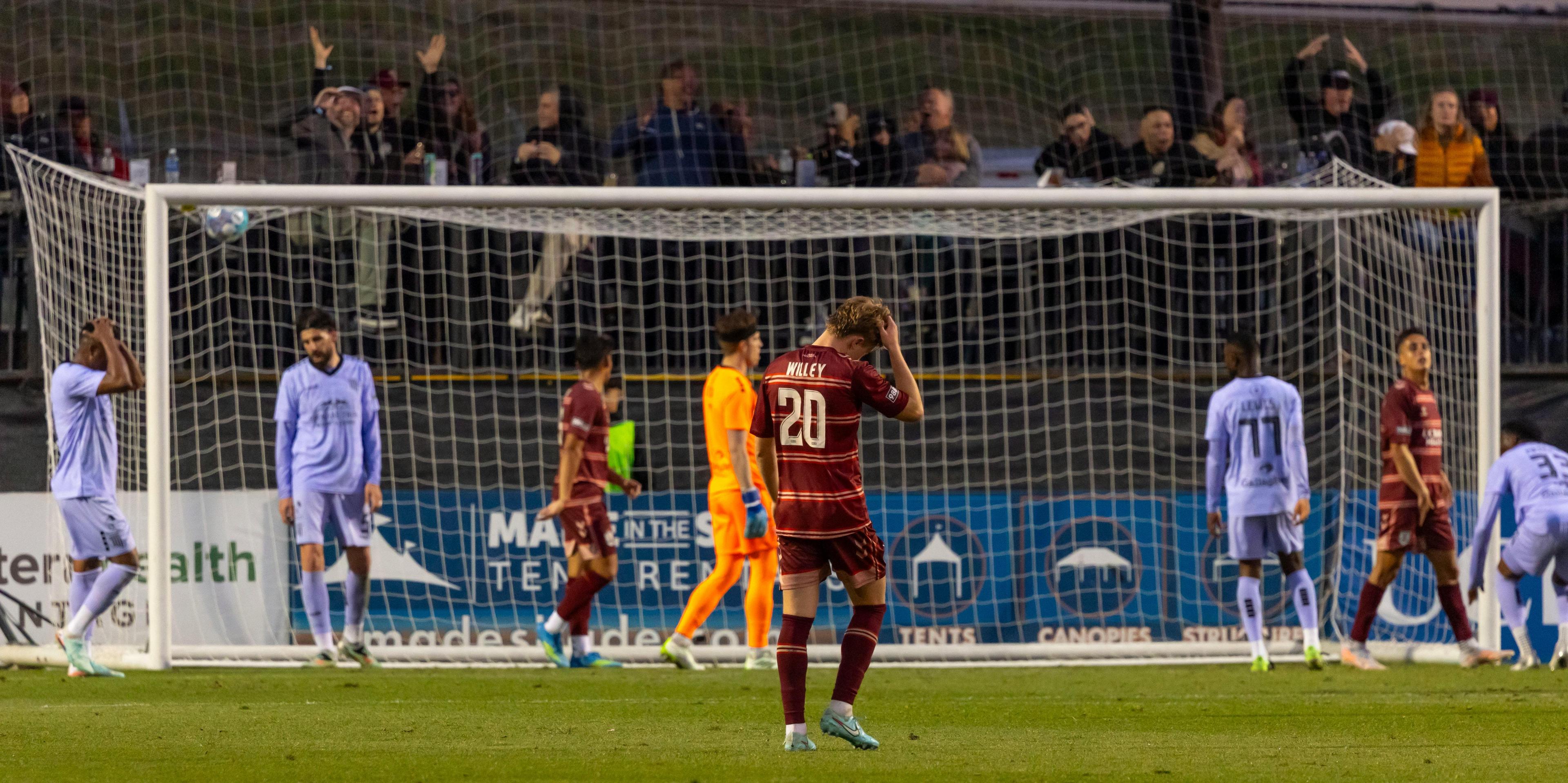
The football itself runs differently in the stadium than on TV. You see the off-ball runs that broadcast cameras cut away from. You feel the pace. An elite forward at full sprint is genuinely faster than the screen suggests.
You also watch the ball move across a pitch that looks smaller from row 30 of the upper tier than you imagined. Set pieces are the moments the crowd controls; corners and free kicks in dangerous areas turn 80,000 people into one nervous voice.
What the Broadcast Cannot Give You
For fans chasing that travelling-supporter atmosphere, World Cup 2026 ticket listings are the place to compare fixtures, cities, and likely fan bases.
The Bit Nobody Warns You About
The post-match crowd is the variable that ruins more trips than anything else. A 90,000-person evacuation through one or two transit choke points is not optional; it is structural, and there is no version of it that takes less than 60 minutes.
The trains run, but they throttle. The Ubers run, but at five times surge. The walks back to the hotel are long, often dark, and frequently across infrastructure that was not designed for foot traffic.
The honest cultural framing is that the post-match hour is where the day becomes a memory rather than an event. The score is decided. The adrenaline burns off slowly. Fans you have never met before sing the same song with you on a packed train platform, then walk in different directions toward different hotels.
Toronto's fan experience around BMO Field runs differently from the post-match bottleneck at MetLife or the slow drift along Reforma after a Mexico match in Mexico City — but the emotional shape is the same everywhere.
Post-Match Tips That Matter
For wider planning context, the World Cup 2026 practical guide covers entry rules, currency, and cross-border movement.
Frequently Asked Questions
How Early Should I Arrive at a World Cup Match?
Arrive at least three hours before kickoff. Bag-check, security screening, and credentialing queues are the bottleneck rather than the transit itself. For marquee fixtures — the opener on June 11, knockout matches, and the final on July 19, 2026 — add another 30 to 60 minutes.
What Can I Bring Inside a World Cup Stadium?
The 2026 tournament uses FIFA's standard clear-bag policy. Permitted items typically include a clear bag around 30cm x 15cm x 30cm, a phone, a wallet, and small personal items. Outside food, alcohol, professional cameras, large flags on poles, and oversized bags are not allowed. Always check the specific venue's policy before travel.
How Loud Is a World Cup Match in Person?
World Cup crowds routinely peak above 100 decibels at goal celebrations and anthems, which is comparable to a rock concert. The first 15 minutes and the run-up to set pieces in the final third are the loudest sustained moments. Bring soft earplugs if you are noise-sensitive.
Will I Be Safe Attending a World Cup Match Alone?
Yes. World Cup venues across the 2026 host slate are heavily policed and family-friendly inside the perimeter. Solo travelling fans are common at most fixtures. Standard big-event precautions apply: keep tickets and ID secure, plan your post-match transit in advance, and stay with the crowd flow.
Are World Cup Tickets Still Available on Resale?
Yes. Once FIFA's general sale and ticket lottery close, verified resale marketplaces become the realistic route to remaining seats. The 2026 tournament uses digital, named-holder ticketing, so any resale should run through platforms that handle the name-change process within FIFA's official framework.
Conclusion
A World Cup match is not really 90 minutes of football. It is a 14-hour day built around 90 minutes of football, and the parts you remember longest are the queue you stood in, the strangers you sang with, the half-time conversation about a country you have never been to, and the slow walk back through a city that briefly belonged to one sport.
The 2026 tournament across the United States, Canada, and Mexico hands a continent the chance to be that city for 39 days running.
Tickets, fixtures, and host-city detail live on the Ticombo World Cup 2026 hub, which is the cleanest place to start mapping which version of the day you want.