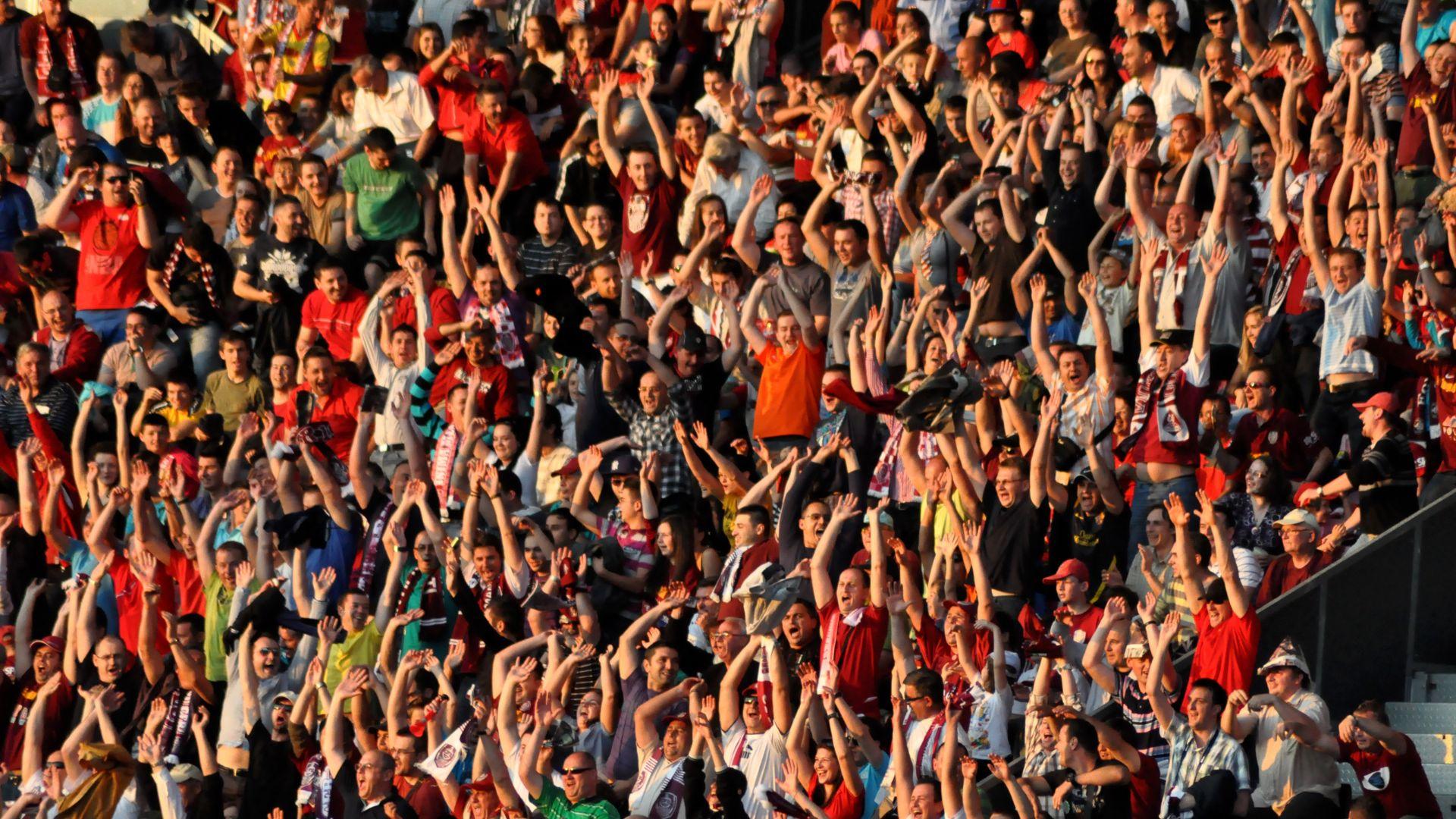

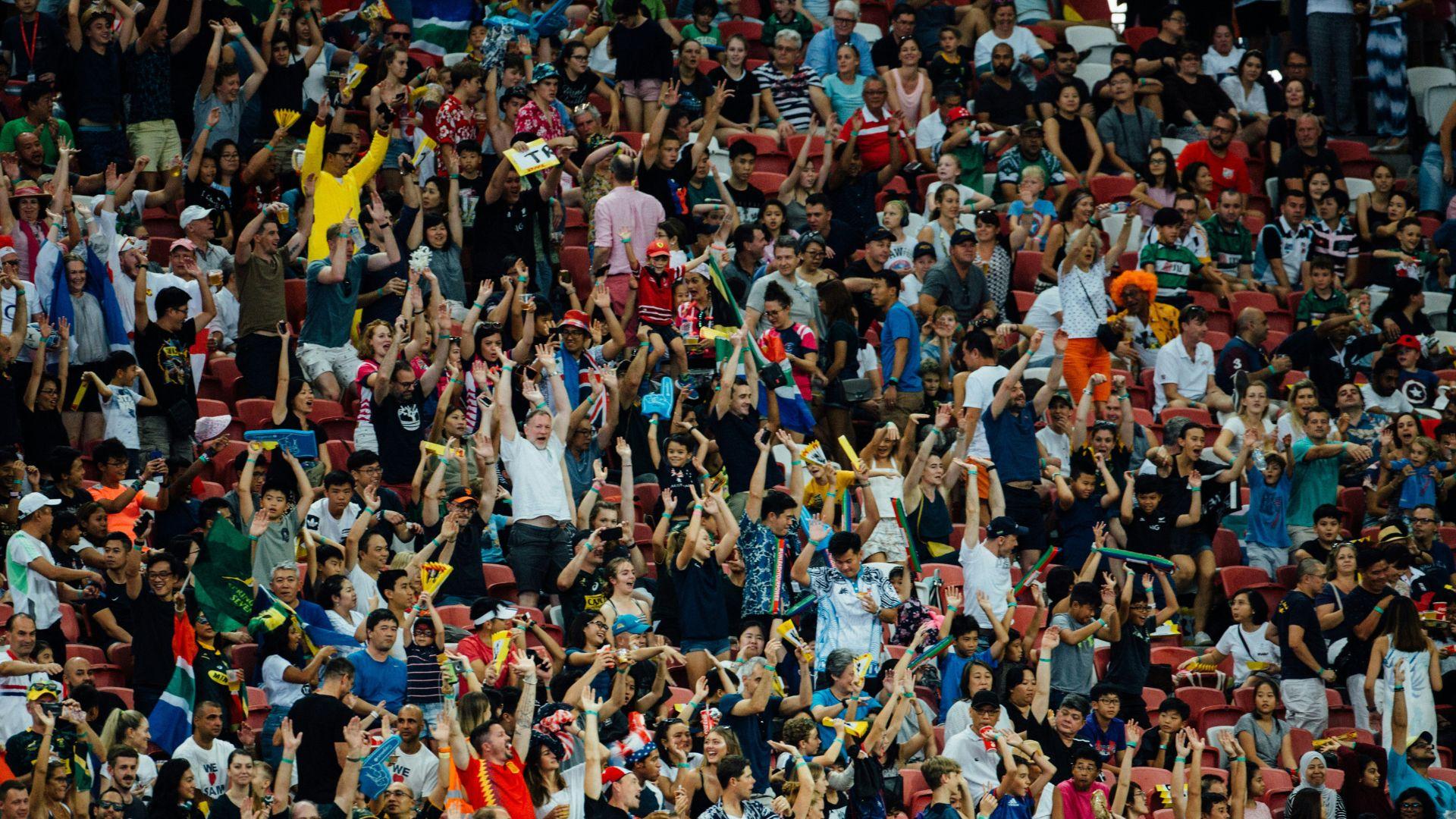
A World Cup ticket gets you 90 minutes inside the bowl. The fan zone gets you the other ten hours of matchday: the build-up, the post-match release, and the part of the tournament most travelling supporters remember longer than the result.
Across 16 host cities and three countries in 2026, the best fan zones near each World Cup stadium will absorb millions of non-ticketed fans between June 11 and July 19.
FIFA's official Fan Festival programme runs alongside independent watch parties, embassy gatherings, and supporter-club takeovers that have nothing to do with the official map.
This guide covers what to expect, the verified anchor venues by city, and how to plan around them. Start with the World Cup 2026 host cities overview for the wider footprint.
What a 2026 Fan Zone Actually Is
FIFA confirmed in 2024 that the 2026 tournament will run an official Fan Festival in every host city, free to enter, with live broadcasts of every match on large screens, food and drink, and stage programming.
Past tournaments give the template: Berlin's 2006 Fan Mile drew an estimated 1 million fans for the final, Rio's Copacabana Fan Fest hit similar peaks in 2014, and Doha's Al Bidda site ran across the entire 28 days in 2022.
A few things are worth knowing before you plan around them:
For confirmed match calendar context, the official World Cup 2026 tournament schedule is the cleanest reference.
The Best Fan Zones by Host Stadium
The list below pairs each host stadium with verified anchor zones — confirmed FIFA Fan Festival sites where announced, plus the public spaces and supporter districts that historically absorb matchday crowds.
For host cities where FIFA's site is yet to be finalised, the listed venues are the credible candidates the city is built around.
What Separates a Great Fan Zone from a Forgettable One
A practical matchday fan zone is not just the closest public square to the stadium. The best zones combine crowd control, screen quality, food, transit, weather backup, and a clear way out after the final whistle.
For wider entry, currency, and cross-border details, the World Cup 2026 practical guide is the cleanest reference.
Frequently Asked Questions
Are the Official FIFA Fan Festivals Free to Enter?
Yes. FIFA's official Fan Festival programme is free across all 16 host cities for the 2026 tournament. Entry is capacity-controlled, and the biggest matches — the opener on June 11, semi-finals, and the final on July 19 — typically require fans to arrive at least 90 minutes before kickoff.
Where Are the Fan Festival Sites for the World Cup Final?
The 2026 final is at MetLife Stadium in East Rutherford, New Jersey. Liberty State Park has been confirmed as the New York / New Jersey Fan Festival site, with Manhattan public spaces including Times Square absorbing overflow crowds on final day.
Can I Drink Alcohol at a World Cup Fan Zone?
Alcohol policies vary by host city. Most US and Canadian Fan Festival sites permit licensed sales inside the perimeter but prohibit outside alcohol. Mexico City and Guadalajara apply Mexican federal and state rules. Always check the specific site's rules before arriving.
Do I Need a Match Ticket to Attend a Fan Zone?
No. The official Fan Festivals are designed specifically for fans without match tickets. They show every match of the tournament live, free, on large screens, with food, drink, and stage programming throughout the 39-day event window.
Which Host City Has the Biggest Fan-Zone Footprint?
Mexico City and Los Angeles have the largest fan-friendly footprints, given their size and the density of public gathering spaces. The Zócalo in Mexico City alone has hosted public viewings of more than 100,000 fans for previous national-team matches.
Conclusion
Fan zones are the part of the World Cup that scales beyond the 82,500 people inside MetLife on final night to the millions watching together in public squares across three countries.
Every host city has built its matchday plan around a recognisable anchor — a central park, a historic plaza, or a lakeshore — and the smart fan trip uses those anchors as the spine of the schedule, with the stadium ticket as the punctuation.
Tickets, fixtures, and host-city detail live on the Ticombo World Cup 2026 hub, which is the cleanest place to map the matches you watch from a seat against the ones you watch with the crowd.